


MFA in Creative Writing
Transform Your Writing Life
Antioch University's low-residency MFA in Creative Writing program provides writers with cutting-edge classes and a vibrant, lifelong creative community. Since its inception in 1997, the Antioch MFA Program has been recognized as one of the top low-residency MFA Programs in the country, by publications such as The Atlantic and Poets and Writers. The program features one-on-one mentoring with some of the most exciting and successful writers working today, with instruction in craft, revision, critical reading, and navigating the business of publishing. The ethical roles and cultural responsibilities of creative writers are also addressed, guided by our program’s commitment to the pursuit of social justice. The MFA program prepares students for careers and meaningful lives as writers, editors, teachers, and engaged literary citizens.
This low-residency degree is offered by Antioch University's Los Angeles Campus.
Program Overview
Antioch University’s MFA in Creative Writing consists of two hybrid residencies per year, in June and December—these include workshops, seminars, and readings, complemented by five-month online project periods during which students live and write in their home communities. At each residency, students learn from writers, editors, and agents. The hybrid residency allows students to attend in person at our Los Angeles campus, online, or a combination of both. We believe a flexible learning environment allows our students to flourish personally and creatively.
Antioch’s MFA Program provides the inspiring literary community, real-world engagement, and the independent discipline of writing that working writers need. An MFA semester begins with an intensive 10-day residency, followed by a five-month online project period during which each student writes fiction, poetry, creative nonfiction, young people, writing for the screen, playwriting, or literary translation, as well as scholarly work, under the supervision of a faculty mentor of their choice. Your mentor will help you identify your learning goals in a Project Period Contract. Students also participate in online discussions on Zoom covering assigned readings and literary issues, and online check-ins on Brightspace, cultivating a literary community.
MFA students are admitted in a single genre (fiction, poetry, creative nonfiction, young people, writing for the screen, playwriting, or literary translation), but can write and study more than one genre. Our faculty members publish successfully in multiple genres and are there to support students in their cross-genre explorations.
Students can choose to take online electives during the Project Period, for no extra charge. These are not a degree requirement, but there for students wanting more collective learning, class-time, and community between residencies. Bridging the gap between the low-residency and full-residency format, we offer seminars each month on various genres, six and eight-week classes on multiple genres, online writing circles, and online open mics. All of these are live, on Zoom.
The MFA Field Study is what sets this creative writing program—and the people who graduate from it—apart. The Field Study asks students to use their knowledge, talent, and skills as writers in the service of the Antioch MFA community or in their local communities. If a student elects to do an “in-house” Field Study, they have the opportunity of interning on our literary journal,Lunch Ticket, on our podcast, Lit Cit, or writing and delivering introductions at residencies for our acclaimed faculty and guests. Each Field Study must address at least two of the three aspects of the MFA program’s unique purpose: the education of literary and dramatic artists, community engagement or service, and the pursuit of social justice. MFA Field Studies have changed the personal and professional lives not only of the students but of the communities their efforts have served.
President's Merit Scholarship
The President’s Merit Scholarships are awarded to new students seeking a master’s degree. Awards are determined by prior academic performance (minimum 3.40 GPA) and work/life experience. Awards of $6000 are distributed equally over the first two academic years of a student’s program. You must remain enrolled full-time, and your academic progress will be reviewed each term. You must complete each course in which you are registered in order to continue receiving the scholarship. To learn about this scholarship and more, visit our Scholarships and Grants page.
Additional Information
Core requirements are completed during the 10-day hybrid residencies or the 5-month online project periods that follow each residency.
MFA students participate in a 10-day hybrid residency, which includes a writing workshop in their genre and 7+ learning activities such as faculty seminars, guest speakers, and graduating student presentations.
- Monthly packets of student creative work and book annotations
- Participation in monthly Book Circles (group book discussions on Zoom)
- Art of Translation Course (no second language required)
- Field Study
- Critical Paper
- Final Manuscript
- Cumulative Annotated Bibliography
- Preparing for the Graduate Student Presentation and Graduate Reading
For detailed curriculum and degree requirements, please visit the AU Catalog.
The low-residency model supports and mirrors the lives of professional writers. The two years in Antioch's MFA in Creative Writing program will be spent alternately in two rhythms:
- Five 10-day hybrid Residencies - Students attend classes online, in-person, or a combination of both at Antioch University Los Angeles' campus, and form a collective of working writers. The residency builds a strong literary community around engagement with language, literature, publishing, and social and aesthetic issues. Students build relationships with each other, faculty, guests, and alumni in a unique, energetic environment completely focused on the study and celebration of literary work.
- Four 5-Month-Long Online Project Periods - Spent in your home city (or the location of your choice), students will write and read extensively, practicing, examining, and questioning issues of tradition and craft, context and culture. The program pairs you with a mentor of your choice (an actively publishing writer who is also an experienced, dedicated teacher) and a small group of other MFA students with whom you will read and discuss a variety of books and other publications. The online project period provides you with a dedicated apprenticeship in craft, a time of exploration, refinement, and risk-taking in your life as a writer.
10-Day Residencies
- Faculty and guest seminars and graduating student presentations: Small and large classes on craft and culture, publishing and professionalization, taught by faculty, guests, and graduating students.
- Writing workshops: 10 hours of intensive peer and faculty review of student work.
- One-on-one meetings with your assigned mentor, selected from one of your top choices at the meet the mentors panel: Plan out your individual study with your faculty mentor for the term in an individualized Project Period Contract.
- Community: Meet with students and faculty in your class, genre, and the program.
- Readings: Experience new work by faculty, guests, graduating students, and guest alums.
5-Month Project Periods
Other program requirements: These include the art of translation course, field study, critical papers, and graduating student presentations, depending on the term.
Mentor correspondence: During your time at Antioch, you will work with 4 to 5 different faculty mentors of your choice, each of whom will offer you their unique perspectives to help you grow as a writer.
Reading and writing: You’ll turn in new and revised creative work, and read and write annotations to explore issues of craft.
Narrative critiques: Your work will receive constructive, precise written feedback from your instructors. Mentors will also be available for individual Zoom meetings to discuss your progress.
Although MFA students are accepted into the program in a single genre (poetry, fiction, creative nonfiction, young people, writing for the screen, playwriting, or literary translation), they have many opportunities to read, write, and study multiple genres, as well as to explore the relationships among them.
Faculty-led seminars often pull material from two or more disciplines—for instance, poets might talk about rhythm in fiction; creative nonfiction writers might address the importance of staging a scene..
Reading assignments during the project period may pull from any genre, if relevant to the student’s specific exploration of craft. Every seminar during the residency is open to all students, regardless of the genre they are studying. Students can take semester electives in another genre or study them more formally. See more below.
Genres
Fiction students work with highly accomplished and acclaimed short story writers and novelists who facilitate small workshops during each residency and mentor a different group of students during each online project period. Our mentors represent a wide range of aesthetics and interests, and are deeply committed to the mentorship process. Students in fiction submit new and revised pages each month, along with book annotations and ongoing craft dialogue.
Poetry students work with risk-taking faculty who offer diverse perspectives on what poems are and how to write them. Poetry students write and rewrite. In their assigned readings and annotations, they engage issues of contemporary literature and craft, as well as develop knowledge of poetic traditions. Monthly creative packets reflect and embody the student’s poetic investigations into the formal possibilities of their unique voice b.
Our creative nonfiction program admits students who are committed to writing compelling, energetic work in this innovative genre, which includes literary reportage, memoir, cultural and social criticism, travel writing, magazine writing, and the personal essay. Students read widely, exploring the techniques that make creative nonfiction resonate and signify. Our outstanding and generous faculty provide detailed critiques on new and revised work, annotations, and craft considerations each month.
Writing for Young People students learn the rich, diverse craft of writing for children and young adults and explore the possibilities of the popular genre and its many subgenres. Successful practitioners serve as faculty during each 10-day residency, as well as mentors during the 5-month online Project Periods, guiding students on both craft and the YA publishing landscape.
Writing for the Screen students explore the ever-changing landscape of storytelling through writing screenplays for film and television. Screenwriters, producers, and other film industry experts serve as MFA guest faculty during each 10-day residency, as well as mentors during the Project Periods. Through intensive study and mentorship, students strengthen their creative thinking and writing skills, applying those skills to their chosen focus. Students read and write annotations on a diverse body of screenplays, applying this learning to their original work. With this balance of creative expression and practical application, our students learn how to employ a full range of story-crafting techniques in various professional settings, match the right creative goal with the right genre and media platform, and how to market and sell their own creative product.
Learning from iPlaywriting, students receive expert instruction in writing for the stage. Learning from internationally renowned playwrights, theatre directors, dramaturgs, and other theatre professionals, they hone their craft in creating vibrant characters, compelling stories, and memorable dialogue. Students read and write annotations on a diverse body of plays and learn from Regional, Broadway, and West End produced mentors during each 10-day residency, as well as during the Project Periods. Through intensive study and mentorship, students strengthen their creative thinking and writing skills, applying those skills to playwriting.
Literary Translation students work closely with our Translation Faculty, in the languages, genres, and with the authors of their choice, developing and refining their skills in the craft of translation. Students submit monthly pages of new and revised work for critique, along with 2 annotations per month. Students study translation as both a concrete practice and a complex site of creative potential, reading translation theory and reflecting on various ways to conceptualize and enact the act of translation. Students engage in conversations about the social role of the literary translator and the mechanics of conveying ideas or images between different cultural and linguistic lineages. At each residency, a different translation guest will introduce the student to new perspectives. Typically, a translation student will be doing a genre jump or dual degree (see below), so at residencies, they will be participating in workshops in the genre in which they are doing their original work.
During a student’s second or third term at AULA, they may transfer into a second genre for the length of the semester, while still completing the program on time.
Students may choose to spend an extra semester at AULA so that they may graduate with a dual concentration, spending three terms in the primary genre and two terms in the alternate genre.
Our MFA program is designed to help writers complete a manuscript and begin the process of finding an agent or publisher. We also place a broader emphasis on preparing writers for the sustaining life of a literary artist. Our MFA in Creative Writing graduates will demonstrate:
Proficiency in at least one of the following genres: fiction, poetry, creative nonfiction, young people, writing for the screen, playwriting, and literary translation.
Critical reading, writing, and thinking skills are required of a literary and dramatic artist.
Knowledge of ethical dilemmas and social values of the literary and dramatic arts.
Commitment to a broad range of issues and activities associated with a literary writer and the communities in which the writer lives and works.
Professional Development Semester
Designed to further the professional aspirations of MFA students and alumni at affordable prices, the Professional Development Semester is offered exclusively for continuing MFA students and returning alumni. The Professional Development Semester (5 credits) offers an additional semester of mentoring to help begin or complete a manuscript, work in a new genre, and consult with a trusted mentor about matters of writing, career, and publication.
Post-MFA Certificate in the Teaching of Creative Writing
In a single semester, our low-residency Post-MFA Certificate program takes aspiring teachers from theory to practice, focusing on innovative methods of teaching writing and allowing the student to gain practical classroom experience through either an in-person or an online supervised teaching placement. Experienced writing instructors may pursue the certificate for professional development purposes, as well as to improve their personal classroom pedagogy.
Antioch MFA Honored for “Outstanding Screenwriting Training” on 25 Best Film Schools List
Antioch University’s MFA in Creative Writing has received the honor of being named one of MovieMaker’s 25 Best Film Schools, with the magazine recognizing it as one of three standouts for the category of Outstanding Screenwriting Training. Read the full article here.
New Student Orientation
Creative Writing MFA - New Student Orientation Dates
| Term | Event Date/Time | Location |
|---|---|---|
| Summer/Fall 2026 | Monday, June 1, 2026, 1:00pm-2:00pm | Hybrid |
| Winter/Spring 2027 | Thursday, December 10, 2026, 1:00 pm-2:00 pm | Hybrid |
Life After Antioch: Antioch Alumni
The Antioch MFA stays true to its commitment to lifelong learning. One of Antioch’s greatest assets is its energetic community of alums, which we cultivate through dedicated, free alumni programming–two four-day online mini-residences per year, just for alums, a biweekly newsletter, Antioch MFA Citizen, sharing alumni publication and reading news and letting alums know about publishing and career opportunities–as well as inviting alumni to attend residency seminars and readings as auditors for life, free of charge. At each residency, a distinguished alum with a new publication offers a seminar and gives a reading, embodying life after Antioch.
Many of our students go on to publish in their genres to critical and commercial acclaim and to teach at various institutions. Our illustrious alumni include Khadijah Queen, Gayle Brandeis, Anna Dorn, Roberto Lovato, Andromeda Romano Lax, Reyna Grande, Jillian Lauren, Toni Ann Johnson, Jose Hernandez Diaz, Jessica Elisheva Emerson, Shannon C.F. Rogers, Daniel José Older, Melissa Chadburn, Esther Belin, and Wendy C. Ortiz. See just three testimonies, “Antioch University MFA Alumni in Action”, published in AWP’s The Writer’s Notebook, where alums talk about their awards and the impact Antioch MFA had on their career path.
Faculty Spotlights
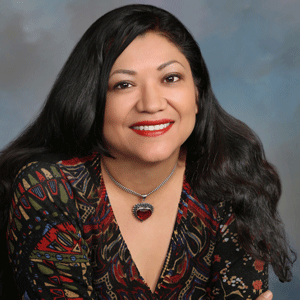
Reyna Grande
Affiliate Faculty
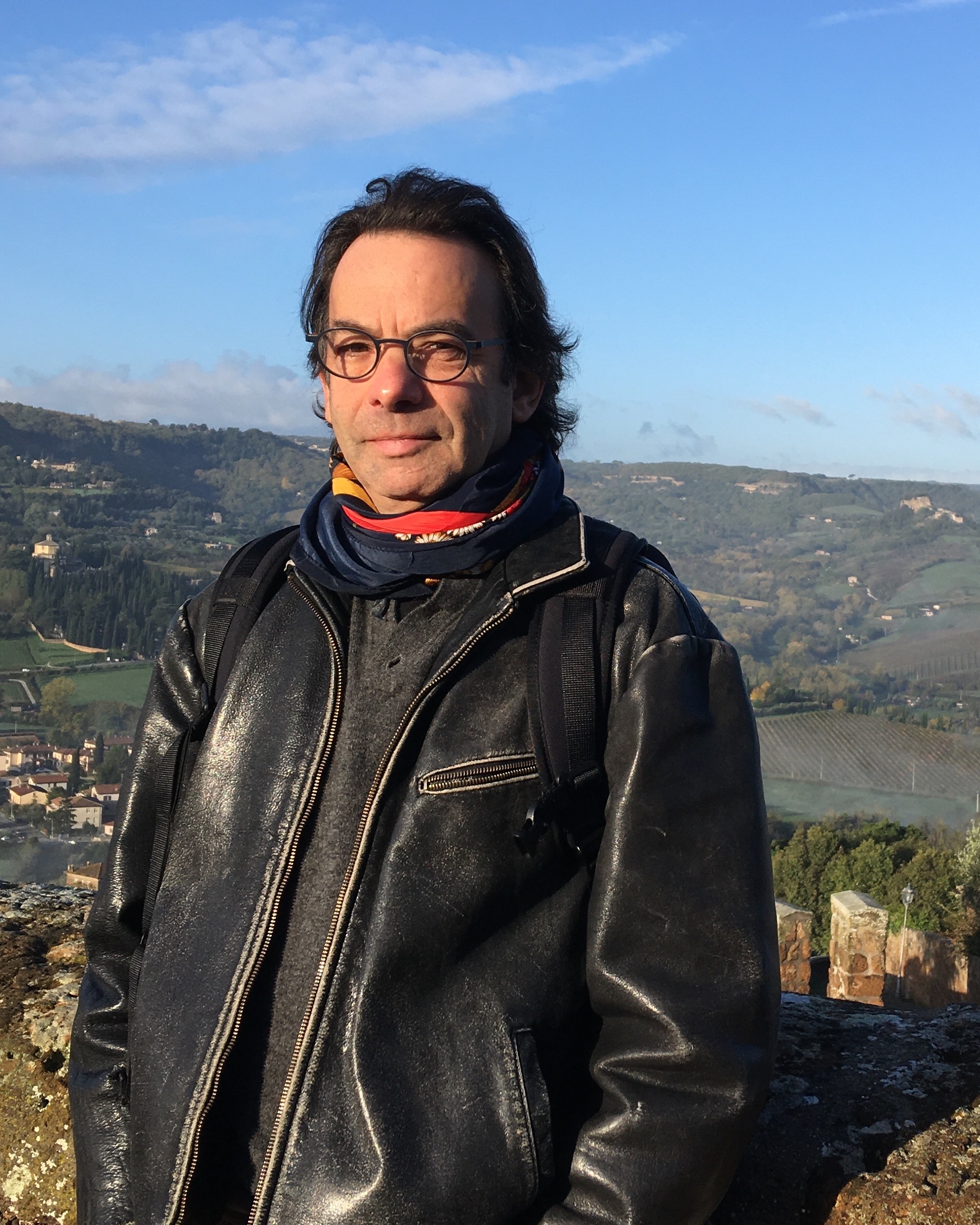
Brad Kessler
Affiliate Faculty

Terry Wolverton
Affiliate Faculty

Ruben Quesada
Affiliate Faculty
Admission
Application Deadlines
| Semester | Priority Deadline*** | Application Deadline*** | 1st Residency |
|---|---|---|---|
| Summer/Fall 2026 | March 1, 2026 | Accepting applications on a rolling basis. | June 1-10, 2026 |
| Winter/Spring 2027 | September 1, 2026 | Accepting applications on a rolling basis. | December 10-19, 2026 |
*In addition to satisfying AULA’s admission requirements for a specific academic program, International Students have additional general requirements that must be met for admission.
*** All application requirements (all unofficial or official transcripts, admissions essay(s), and program-specific requirements) must be submitted for the application to be reviewed.
How to Apply
The Master of Fine Arts in Creative Writing (MFA) program seeks applicants who want to participate effectively as writers in professional, academic, and community settings; want to develop their skills in the craft of writing; care deeply about the role of the arts and artists in society, and share a commitment to and appreciation for culturally diverse writers and traditions. The program upholds Antioch University Los Angeles's tradition of honoring both academic and experiential learning. Applicants must be self-motivated individuals who are able to work independently in a distance-learning format. Program participants must have access to a computer, Microsoft Word, and the Internet.
- Complete the Online Application and the Admissions Dialogue Essay.
- Submit the $50 non-refundable Application Fee.
- Send in an official transcript indicating a Bachelor’s degree conferral from a regionally accredited college or university. The requested copy of official transcripts must be sent directly to the Admissions Office at Antioch University Los Angeles from the institution from which you received your accredited bachelor’s degree. A student copy of a transcript may be submitted with your application, but official transcripts are required upon admission.
- Submit all supplemental materials: Samples of your creative work in the genre in which you are applying for admission (Poetry: 10-page maximum, Fiction: 20-page maximum, Creative Nonfiction: 20-page maximum, Young People: 20-page maximum, Writing for the Screen: 20-page maximum, Playwriting: 20-page maximum). For prose, work samples should be typed and double-spaced with your name at the top of each page. The 20 pages can be from different pieces. For poetry, work samples should be single-spaced with one poem on each page. For writing for the screen and playwriting, use the standard format appropriate to the genre. Use of FinalDraft is
strongly encouraged as industry-standard with default margins; other options include Celtx, Trelby, and WriterDuet. - Recommendations: Please provide the names and contact information (email and phone) of two references whom we may contact during our admissions process (you will be prompted to do so during the application process). If you would like to turn in recommendations voluntarily, please have your recommender(s) send them to [email protected].
Please submit all materials to Antioch University Los Angeles, Admissions Office, 5150 W. Goldleaf Circle, Suite 101, Los Angeles, CA 90056 or [email protected]. All application materials submitted become part of an applicant’s file and cannot be returned.
Cost & Aid
| Semester | Tuition |
|---|---|
| 1st semester | $11,017 |
| 2nd semester | $11,017 |
| 3rd semester | $11,017 |
| 4th Semester (Includes two residencies) | $16,406 |
| Total: | $49,457 |
| View the Cost of Attendance Components | |
Please note: Additional fees for all Antioch University Los Angeles programs may include (but are not necessarily limited to) charges for materials, late registration, enrollment maintenance, parking, graduation, transcripts, tuition payment plan, late payments, late registration, and returned checks.
Financial Aid
A majority of AULA students finance their education through some form of financial aid. You may not be sure which federal, state, public, and private aid packages – such as loans, scholarships, and grants—are right for you. Our staff is here to help you, so you can focus on what’s most important: beginning your academic program at AULA. Returning to school is a big decision, but it doesn’t have to be a stressful one.
Scholarships
The MFA Program has numerous scholarships available for students based on factors such as merit and need. When you apply to our program, all you need to do is indicate on the form when asked if you would like to be considered for a scholarship. If you are accepted into the Antioch MFA, your scholarship amount comes with the acceptance letter. Each application cycle, we offer two $10,000 scholarships for UCLA Extension Writers' Program Certificate holders, three to four $10,000 merit and need-based scholarships, along with other scholarships of varying amounts through the Eloise Klein Healy Scholarship Fund.
Community Partnerships and Advanced Standing
Antioch MFA Program is proud to have community partnership agreements with PEN America Emerging Voice Fellows, UCLA Extension Writers’ Program Certificate Holders, and Certificate Holders from PocketMFA. This allows individuals to be eligible for Advanced Standing in the Antioch MFA, reducing their degree to 3 terms rather than 4. Please contact the program if you have questions about this.

Start your Antioch Journey
Take your next step - talk to our admissions team to find the right program for you.