


MA in Couple & Family Therapy with Art Therapy
Heal through creation.
Add the Art Therapy specialization to your Couple and Family Therapy degree to expand upon your capabilities of improving the lives of others. By pairing comprehensive clinical training with a strong theoretical framework, you will be uniquely positioned to leverage art therapy in a clinical setting. Empower your therapy clients to express themselves verbally and through visual art in order to treat a multitude of developmental, emotional, and psychological problems or disorders.
This degree is offered by Antioch University's New England Campus.
Program Overview
The MA in Couple and Family Therapy degree offers an Art Therapy specialization integrated with Couple and Family Therapy (CFT). Art Therapy “is a mental health profession that enriches the lives of individuals, families, and communities through active art-making, creative process, applied psychological theory, and human experience within a psychotherapeutic relationship” (American Art Therapy Association; https://arttherapy.org/what-is-art-therapy/). Students receive comprehensive clinical training, making it one of the few degree programs in the U.S. that integrates art therapy and prepares graduates to work toward both state licensure and national certification in art therapy.
Upon completion of post-graduate clinical requirements, graduates of the Couple and Family Therapy Art Therapy Specialization are eligible for American Association for Marriage and Family Therapy (AAMFT) clinical membership and licensure or registration and certification in Art Therapy, and can begin counting their clinical hours toward ATR-BC.
History of the Art Therapy Program
In 1998, the post-master’s Art Therapy certification was expanded to a Master’s program in Art Therapy. This program was designed to meet the national standards for registration (ATR) set by the Art Therapy Credentials Board (ATCB). It received its initial Approval in 2003 (7-year approval) by the American Art Therapy Association. In 2010, the program was granted re-approval for 7 years. In 2018, the Art Therapy Program received accreditation from the Commission on Accreditation of Allied Health Education Programs (CAAHEP).
Art Therapy Program Mission Statement
The Art Therapy program's mission is to provide higher education and training in the theory and application of psychology in a variety of settings. Our curriculum promotes values of ethical practice, social responsibility and cultural pluralism; and our classes promote self-exploration, empowerment and whole person learning. We seek to balance traditional and contemporary perspectives in the field of psychology. We educate students to become informed and effective practitioners and change agents in our complex world.
Additional Details
Licensure Information
This program is designed to lead to state licensure.
Additional Licensure Information
Antioch’s MA in Couple and Family Therapy (CFT) Art Therapy specialization utilizes a low-residency format, designed to be completed in either 8 semesters (full-time) or 12 semesters (part-time). Students have a full year and one more semester of coursework before beginning their practical experiences (internship). Short in-person, face-to-face learning experiences, i.e., residencies, are what distinguish a low-residency format from a traditional online program.
- Low-residency program: hybrid model with online classes and in-person residencies
- Earn your degree in 32 months or as little as eight semesters
- Complete a four-semester clinical training experience (internship) near your home
- At least 350 hours of direct clinical contact experience, plus 100 hours of AAMFT-approved supervision, and other indirect hours for a total of 700 internship hours. A minimum of 70 individual or 105 group supervision hours is required.
- The COAMFTE-accredited program ensures preparation for the national MFT exam and facilitates license attainment
- Students who graduate from our master’s program receive a 20% tuition discount for the first two years of their doctorate
Residencies are a 3-day Art Therapy residency and a 5-day CFT learning opportunity combining seminars, workshops, guest lectures, advising sessions, peer discussions, and student presentations, designed to build lifelong learning communities and professional relationships. They take place twice during the first year of the program (typically in semesters 1 and 3). Residencies take place on Antioch Campuses located on the East Coast, West Coast, and Midwest.
Outside of Residencies, you will work on course material online – via live seminar-style classes – and assignments that are completed on your own (readings, forum postings, papers, etc.). During the clinical training experience (internship), students attend weekly supervision meetings (typically through video conferencing), in addition to attending on-site supervision at their internship site.
Students get the best of both worlds: connection to professors and classmates through online learning, and in-person training during the residencies.
Program Length — 66 credits
The CFT-MA with Art Therapy specialization full-time program is designed to be completed in as little as 32 months, usually in eight semesters.
- Year One: students complete four foundational residency/intensive courses, as well as the majority of the core CFT, Art Therapy, and Art Therapy Embedded CFT classes to build a foundation for their clinical work.
- Year Two: Students continue their traditional coursework while also engaging in clinical work in their internship experience. Students complete their internship near their place of residence while receiving online video supervision from an AAMFT-approved supervisor or Supervisor Candidate who is also ATR-BC.
- Year Three (2 semesters): students will conclude their internship and coursework, finishing the program in as little as eight semesters.
During the internship, students will accrue direct client contact hours, including relational client contact hours ( therapy with couples or families), and art therapy hours, in order to meet both COAMFTE clinical training requirements, Art Therapy clinical training Requirements, and the graduate program clinical requirements for their state.
Social justice informs our thinking about training in the Master’s program. We see social justice in Couple and Family Therapy education as involving the following key concepts:
- Social justice clinical practice is focused on helping diverse families and contributes to the positive development of families and their communities.
- Social justice implies an explicit action orientation.
- Social justice involves understanding the diversity of people and families:
- Diversity includes ability, sexual orientation, race, ethnicity, country of origin, age, social class, religion, and gender (that is, systems that affect individual and family access to power and resources). Particular focus is on underserved and high-risk families.
- Diversity also includes diverse family structures, including extended kinship networks, gay and lesbian families, step-families, etc.
- Social justice has policy implications; therapists working from a social justice perspective work to effect supportive family policy that recognizes diversity and improves resiliency, and have a responsibility to participate in social and political systems affecting families.
- Social justice involves recognizing that social and legal systems affect the people we work with
- Social justice researchers have a responsibility to do socially informed research, which is sensitive to diversity.
Diversity is defined in terms of differences between groups of people with respect to structural disadvantage and systemic marginalization. These differences are related to such factors as gender, sexual identity, social class, ethnicity, race, religion, spirituality, age, health/ability, immigrant status, etc.
As a Commission on Accreditation for Marriage and Family Therapy Education (COAMFTE) accredited Master’s program, we are required to report a number of student achievement criteria on our website.
- Program Goal 1. (Knowledge) Graduate students who demonstrate understanding of foundational and contemporary relational systemic theories and models and who are prepared to obtain licensure as MFTs.
- SLO 1: Students demonstrate knowledge of CFT models and interventions that are adaptable to work with populations of varying social locations and contexts. (Knowledge)
- SLO 2: Students demonstrate knowledge of broader content areas in CFT, including human development and family studies, families in larger systems, human sexuality and sex therapy, addictions, and intrafamilial violence. (Knowledge)
- Program Goal 2. (Practice) Graduate students who apply systemic clinical skills and models to practice as a CFT and integrate multiculturally-attuned clinical skills that are adaptable to work with client populations of varying social locations and global contexts.
- SLO 3: Students will effectively apply relational and family systems theories to practice systemic case conceptualization and treatment planning in their clinical work. (Practice)
- SLO 4: Students demonstrate competency in systemic assessment and diagnosis. (Practice)
- SLO 5: Students demonstrate differentiated and culturally-attuned positions while engaging in critical and exploratory conversations with people from backgrounds and perspectives different than their own. (Practice)(based on SE SLO4)
- Program Goal 3. (Ethics) Graduate students who demonstrate a relational systemic ethical, administrative, and professional framework that is reflected in practice with client populations of varying social locations and contexts.
- SLO 6: Students demonstrate professionalism in CFT. (Ethics)
- SLO 7: Students demonstrate legal and ethical competence by understanding and adhering to relevant laws and ethical codes, including the AAMFT Code of Ethics. (Ethics)
- Program Goal 4. (Research) Graduate students who engage with, apply, and critique CFT research, advocating for the inclusion of diverse populations, sociocultural awareness, and social justice in future scholarship, while considering the complexity of identity.
- SLO 8: Students demonstrate understanding of systemic, anti-racist, and anti-oppressive qualitative and quantitative research methodologies through a critical lens. (Research)
- SLO 9: Students apply systemic research to clinical practice with client populations of varying social locations and contexts. (Research)
- Program Goal 5. (Diversity) Advance the profession by graduating a diverse student body trained to practice CFT from a socially just and culturally responsive framework that promotes inclusion, respect for diversity, anti-discrimination, and social responsibility.
- SLO 10: Students demonstrate self-awareness of social structures, social locations, experiences, and biases that influence their practice as CFTs. (Diversity)
- SLO 11: Students demonstrate and integrate an anti-racist and anti-oppressive stance in their knowledge and systemic practice. (Diversity)
Art Therapy Program Goals
- To prepare art therapists who are competent in the cognitive (knowledge), psychomotor (skills), and affective (behavior) learning domains to enter the profession (Minimum Expectation Statement required by ACATE):
- To train ethical, self-aware, and culturally competent practitioners who are able to integrate and apply theory in practice, with a commitment to social justice
- To prepare practitioners who are able to demonstrate competency in art materials, and an understanding of the creative process with individuals, groups, couples, and families.
- To prime practitioners who are able to proficiently utilize assessments, diagnostic materials, and treatment planning.
- To develop practitioners who are able to conduct and interpret research through their culminating master’s project or thesis.
- To cultivate practitioners who have a foundation in human development along the lifespan.
- To cultivate professional identity and career development through therapeutic modalities with diverse clients, and collaboration with affiliated professionals.
Student Learning Outcomes
- Theories & Clinical Application: Demonstrate knowledge and application of utilizing art materials and process in art therapy, psychology, and counseling theories and apply them to clinical interventions with individuals, groups, couples, and families(CAAHEP Content Areas: A (History, Theory & Influential Frameworks) & B (Practice of Art Therapy)
- Ethics, Identity & Cultural Competence: Demonstrate ethical, professional, and legal clinical practice while engaging clients from a culturally competent and socially just position(CAAHEP Content Areas: B (Practice of Art Therapy) & C (Professional Development))
- Media & Creative Process: Demonstrate competency in art materials, creativity, and symbolic language through personal art making and therapeutic application(CAAHEP Content Areas: A (History, Theory & Influential Frameworks) & B (Practice of Art Therapy))
- Assessment, Diagnosis & Treatment Planning: Demonstrate understanding and application of both art and diverse assessments, psychopathology, and diagnosis to guide ethical and effective treatment planning
- Research & Scholarship: Demonstrate the ability to conduct and interpret research and apply findings through the culminating master’s project or thesis
- Integration in Advanced Practice: Demonstrate integration of theory, skills, creativity, ethics, and professional identity through practicum and internship in preparation for entry-level practice
Faculty Spotlights

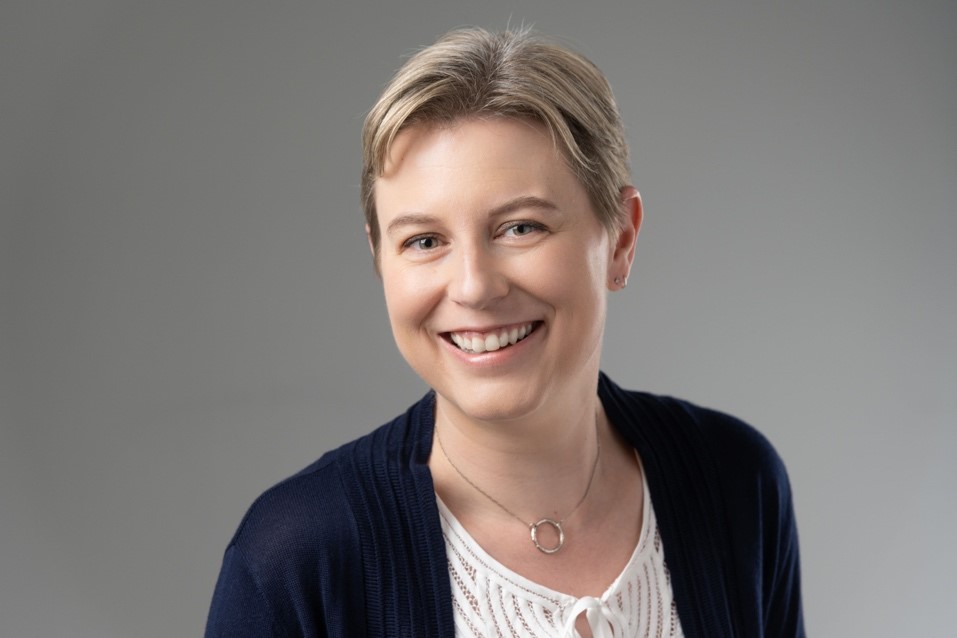
Billie Tyler, MS, LMFT
Adjunct Faculty
Gretta Duleba
Adjunct Faculty
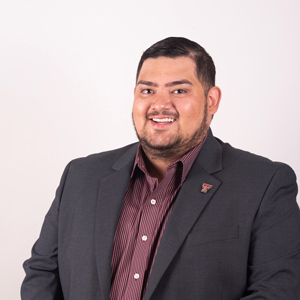
Zachary Trevino
Director of Clinical Training
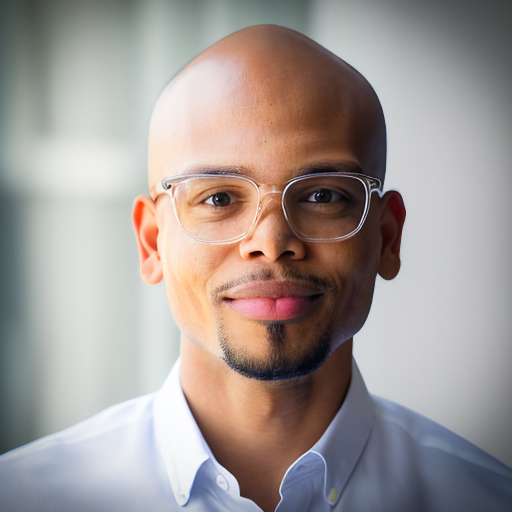
Starlin Astacio, PhD, LMFT
Core Clinical and Academic Faculty
Admissions
Application Deadline
| Term | Date |
|---|---|
| Fall | July 1 |
| Spring | November 1 |
How to Apply
- Completed online admissions application.
- A Bachelor’s degree from a regionally accredited institution is required. Submit official transcripts from ALL colleges/universities you have attended to the Admissions Office. Transcript evaluations are required for all coursework completed outside of the U.S. or Canada (except Quebec). See Transcript Evaluation section on the International Students webpage for details.
- OPTIONAL: Two recommendations using the downloadable Recommendation Form. Your recommenders should include people who can best assess your capabilities and readiness to enter a graduate clinical training program. These include social science instructors that you may have had in college as well as professionals who have provided supervision of work you have been involved in a helping role with people in a mental health, social service, or educational setting. Recommendations from friends, relatives, or personal therapists are not acceptable.
- Art Portfolio: 20 pieces with various art media. Your portfolio may include drawing, sketching, painting, sculpture, collage, assemblage, installations, photography, and digital media including digital drawing, film, and animation among others. Include the following information:
- Title of piece
- Date of completion
- Materials used
- Dimensions
Your portfolio can be submitted as a PDF document, or a link to a website that contains your portfolio. Original work, photographs, CD/DVD’s are not accepted.
- Completion of Foundational Psychology Coursework: Including but not limited to Abnormal Psychology, from accredited colleges or universities.
* Note: Abnormal Psychology may be in progress during the admissions process; however, applicants are required to complete this course prior to the start of the program.
- Completion of 27 quarter OR 18 semester credits in Studio Art. The following are recommended courses:
- Ceramics I
- Ceramics II
- Introduction to Drawing
- Introduction to Painting
- Mixed Materials
*Note: At least 12 semester credits in studio art are required at the time of application. The remaining 6 credits of studio art may be completed during the first year in the program from other colleges/universities/non-traditional academic settings (15 contact hours = 1 credit).
- Admission Essay: Submit a typewritten, double-spaced, one to two-page (between 250 and 500 words) response for each question and clearly number your response for each question.
Essay questions:
- 1. We are curious about your previous experience (e.g., personal, professional, academic) and would like to know how these experiences have led you toward the choice to apply to the couple and family therapy program with art therapy specialization at Antioch University's low-residency program. Please describe a few of those fundamental experiences and why you believe those experiences have prepared you to begin the process of becoming Couple and Family Therapist/Art therapist.
- 2. The Couple and Family Therapy with Art Therapy Program is both academically and emotionally rigorous. What challenges, if any, do you encounter during your studies and how do you anticipate responding to those challenges? What forms of support will you use to meet those challenges?
- 3. The mission of the Antioch University New England Couple and Family Therapy with Art Therapy Specialization program is to prepare and train knowledgeable, skilled, self-aware, ethical, and anti-racist Couple and Family Therapists /Art Therapist in a learning environment that centers anti-white supremacy and social justice in its academic experience. Explain in your own words what this mission statement means to you and discuss how anti-racism work aligns with your desire to be a Couple and Family Therapist/Art Therapist.
- 4. In your view, what are the connections between the creative processes of visual art and cognitive, emotional, and psychological functioning?
- 5. What are your professional goals in relation to the Couple and Family Therapy with Art Therapy Specialization Program, and how will this program specifically help you to reach those goals?
- Resume/curriculum vitae (CV).
- International Students have additional admission requirements. See International Students page for details.
- Select applicants may be invited to participate in an interview with faculty.
Submission Instructions
All admission application supporting materials, transcripts, recommendations, essays, etc., should be emailed to [email protected] or mailed to:
Admissions Office
Antioch University New England
40 Avon Street
Keene, NH 03431
All application materials submitted become part of an applicant’s file and cannot be returned.
Tuition & Financial Aid
A college education is an investment in your future. Let us help you understand the costs and explore the resources available to help make your college education even more affordable. The majority of AUNE students finance their education through some form of financial aid. You may not be sure which federal, state, public, and private aid packages – such as loans, scholarships, and grants – are right for you. Our staff is here to help you, so you can focus on what’s most important: beginning your academic program at AUNE.
Cost
| Art Therapy (MA, Couple & Family Therapy) | |
|---|---|
| Total Credit Hours | 66 |
| Tuition/ Credit Hour | $983 |
| Total Tuition | $64,900 |
| Student Fee: $75/semester | $225.00 |
| Residency Fee: $2,250 | $4500.00 |
| All Total Fees | $4,725.00 |
| Total Program Coast | $69,625 |
| View the Cost of Attendance Components | |

Start your Antioch Journey
Take your next step - talk to our admissions team to find the right program for you.