


MA in Clinical Psychology, Psychological Trauma Studies Specialization
Introduction
While always having been a core aspect of psychology practice, there is now recognition that exposure to chronic traumatic events can have a devastating effect on psychological, emotional, and social well-being. Traumatic events can vary in duration, intensity, and impact, but the detrimental effects on the psychological health of those affected is significant and oftentimes debilitating. Whether it’s a result of crime, natural catastrophe, or conflict-related trauma, you will learn how to provide competent, sensitive, and skilled therapy to those suffering.
This degree is offered by Antioch University's Los Angeles Campus.
Program Overview
The impact of trauma has developed in its sophistication within the last two decades.
The Psychological Trauma Studies specialization (PTS) offers core courses, elective courses, and workshops to students interested in learning more about the causes, assessment, and treatments of psychological trauma. In addition, concerns specific to therapists and first responders are explored, including those of burnout and vicarious traumatization. A strong emphasis is placed on the use of evidence-based and evidence-informed treatment protocols to support survivors. Successful completion of the specialization includes field clinical experience in an agency setting providing trauma-related mental health services to the civilian and/or military community.
The Psychological Trauma Studies specialization prepares you to work with those who have experienced such trauma, in an effort to resolve and release its lasting effects. This specialization provides you with the special skills to identify and treat the effects of psychological trauma regardless of its source.
Licensure Information
This program is designed to lead to state licensure.
President's Merit Scholarship
The President’s Merit Scholarships are awarded to new students seeking a master’s degree. Awards are determined by prior academic performance (minimum 3.40 GPA) and work/life experience. Awards of $6000 are distributed equally over the first two academic years of a student’s program. You must remain enrolled full-time, and your academic progress will be reviewed each term. You must complete each course in which you are registered in order to continue receiving the scholarship. To learn about this scholarship and more, visit our Scholarships and Grants page.
Additional Information
Specialization Courses (17 credits)
- Trauma Assessment and Treatment Across the Developmental Spectrum (3 credits)
- Sexual Trauma and Human Trafficking (2 credits)
- Disasters, Mass Violence, and Psychological First Aid (3 credits)
- Traumatic Grief and Loss (3 credits)
- Ax/Tx of Military and First Responders(2 credits)
- Post-Traumatic Growth (1 credit)
- PTS Electives (3 quarter credits)
Faculty Spotlights

Terry Simpson, PsyD
Adjunct Faculty
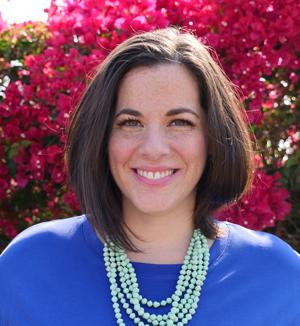
Rachel Fusco, LPC, LPCC, LMFT
Adjunct Faculty
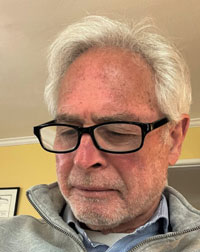
Richard S. Marken, PhD
Adjunct Faculty

Kriss Kevorkian, PhD, MSW
Adjunct Faculty
Admissions
How to Apply
- Start your online application.
- Submit an official transcript showing your bachelor’s degree conferral from a regionally accredited college or university. If you attended an undergraduate program outside of the United States, please see the international transcript evaluation instructions on our website for further information.
- Electronic transcripts: Have your institution send them to [email protected]. Many institutions offer electronic delivery through Parchment and National Student Clearinghouse.
- Mailed transcripts: Send to our central campus location:
Antioch University
Attn: Admissions
900 Dayton Street
Yellow Springs, Ohio 45387
- Complete and submit the admissions essay. See essay prompt for details and instructions.
- Optional: Submit one professional letter of recommendation from a current or former instructor, employer, or mental health professional who can speak to your potential for success in graduate study in psychology. Letters from peer coworkers, friends, relatives, or personal therapists will not be reviewed.
- Submit the $50 application fee.
Note: The application fee is waived for anyone attending an information session. Interested in attending? Sign up now!
After we receive your application, the admissions team will contact you about a virtual group interview.
Application Deadline
| Quarter | Priority Deadline* | Application Deadline*** |
|---|---|---|
| Summer | February 1 | March 15 |
| Fall | March 15 | August 1 |
| Winter | August 1 | November 1 |
| *International application deadline is priority deadline | ||
| Please review the Academic Calendar for additional details. | ||
Cost
Clinical Psychology (MA) & Psychological Studies (MA)
| Cost per credit | $ 956 |
|---|---|
| View the Cost of Attendance Components | |
Please note: Additional fees for all AULA programs may include (but are not necessarily limited to) charges for materials, late registration, enrollment maintenance, parking, graduation, transcripts, tuition payment plan, late payments, late registration, and returned checks.
Financial Aid
A majority of AULA students finance their education through some form of financial aid. You may not be sure which federal, state, public and private aid packages – such as loans, scholarships, and grants—are right for you. Our staff is here to help you, so you can focus on what’s most important: beginning your academic program at AULA.

Start your Antioch Journey
Take your next step - talk to our admissions team to find the right program for you.